Beyond the Hype: Real-World Utility of Tokenized Assets in 2026
Tokenized assets are moving past speculative trading to deliver tangible value across industries. Discover how real estate, commodities, and even intellectual property are being transformed by blockchain in 2026, offering unprecedented liquidity and accessibility.
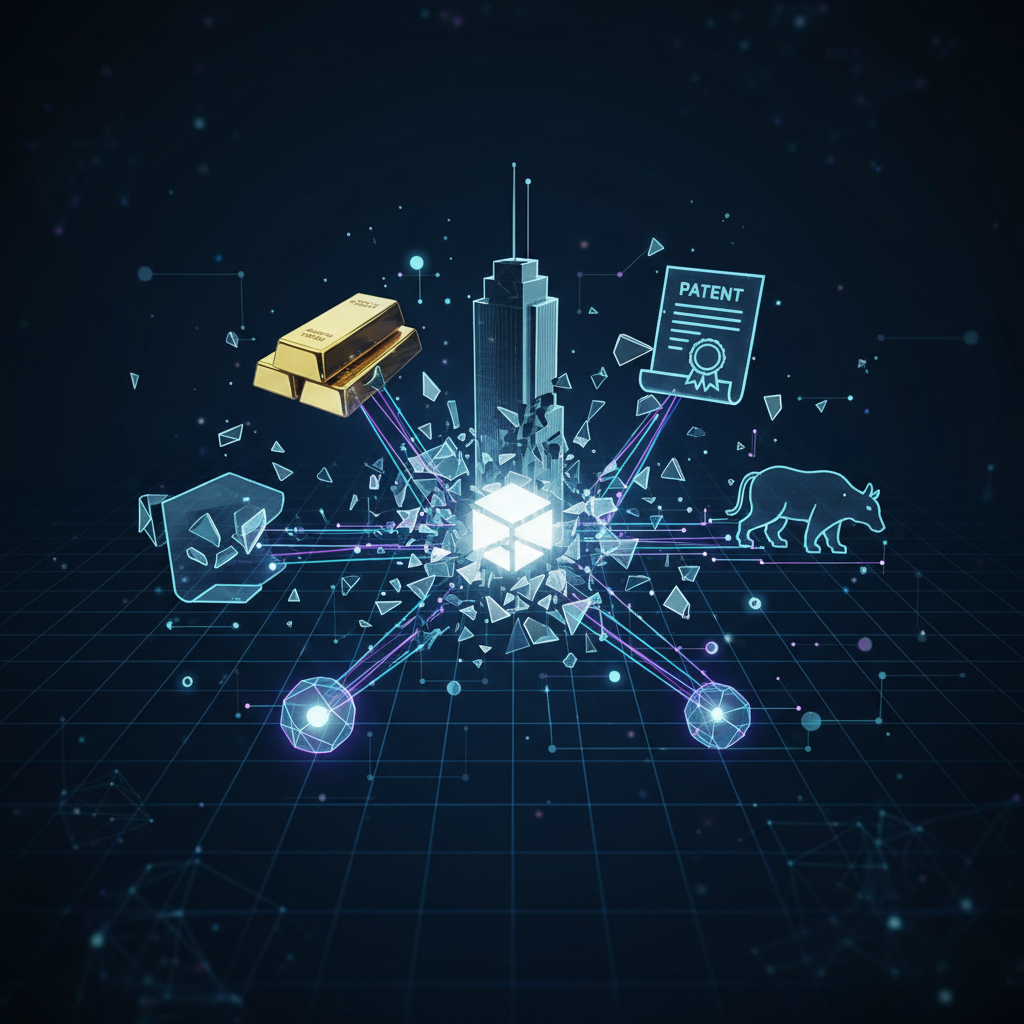
Table of Contents
Beyond the Hype: Real-World Utility of Tokenized Assets in 2026
Remember the early days of crypto? The wild west of meme coins, overnight millionaires, and equally swift crashes. While the speculative frenzy still exists in certain corners, 2026 marks a significant shift in the blockchain landscape. We're moving beyond mere digital currencies and NFTs as profile pictures. The true revolution unfolding now is the tokenization of real-world assets (RWAs), unlocking unprecedented utility, liquidity, and accessibility across traditional finance and beyond.
At NextSkill Lab, we've been tracking this evolution closely. What was once a niche concept is now a cornerstone of digital finance, poised to redefine how we own, trade, and interact with everything from real estate to intellectual property. This isn't just about putting assets on a blockchain; it's about fundamentally changing their economic characteristics and opening them up to a global, fractionalized market.
What Are Tokenized Real-World Assets (RWAs)?
Simply put, tokenized RWAs are digital representations of tangible or intangible assets on a blockchain. Imagine taking a physical asset – a piece of art, a building, a barrel of oil, or even a patent – and creating a digital token that represents ownership or a share of that asset. This token lives on a distributed ledger, providing an immutable, transparent, and verifiable record of ownership.
The Core Principles of Tokenization:
- Fractional Ownership: A single asset can be divided into many tokens, allowing multiple investors to own a small piece. This democratizes access to high-value assets previously reserved for institutional investors.
- Increased Liquidity: Traditional assets like real estate can be illiquid. Tokenization allows for near-instantaneous, 24/7 trading on global blockchain networks, significantly improving liquidity.
- Enhanced Transparency: Every transaction and ownership transfer is recorded on the blockchain, providing an auditable and tamper-proof history.
- Reduced Costs and Intermediaries: By automating processes and removing layers of traditional intermediaries (brokers, lawyers, custodians), tokenization can significantly lower transaction costs and speed up settlements.
- Programmability: Tokens can be embedded with smart contracts, enabling automated distribution of dividends, voting rights, or compliance rules, adding a layer of intelligent automation.
The Evolution: From Concept to Commercial Reality
While the idea of tokenizing assets has been around for years, 2026 is seeing mainstream adoption driven by several factors:
- Regulatory Clarity: Governments worldwide, including the US, have made significant strides in establishing regulatory frameworks for digital assets, providing much-needed certainty for institutional players.
- Technological Maturity: Blockchain infrastructure has evolved. More robust, scalable, and secure networks (like Ethereum 2.0, Solana, Avalanche, and various enterprise blockchains) can handle the demands of large-scale asset tokenization.
- Institutional Buy-in: Major financial institutions, asset managers, and corporations are no longer just experimenting; they are actively launching tokenization platforms and products, recognizing the efficiency gains and new market opportunities.
- DeFi Integration: The growth of decentralized finance (DeFi) has created a robust ecosystem where tokenized RWAs can be used as collateral for loans, traded on decentralized exchanges, or integrated into various financial primitives.
Key Sectors Being Revolutionized by Tokenized Assets in 2026
1. Real Estate
Real estate has long been a prime candidate for tokenization due to its high value, illiquidity, and complex ownership transfer processes. In 2026, we're seeing:
- Fractional Ownership of Commercial Properties: Investors can buy tokens representing a share of a skyscraper in New York or a logistics hub in Texas, making high-value assets accessible to a broader pool of investors.
- Democratized Access to Rental Income: Tokens representing shares in rental properties can automatically distribute rental income to holders via smart contracts.
- Streamlined Transactions: Reducing the need for extensive paperwork, legal fees, and lengthy escrow periods, speeding up property transfers significantly.
Practical Example: A real estate investment firm tokenizes a $50 million apartment complex into 50 million tokens, each representing $1 of equity. Investors can buy as little as one token, gaining exposure to the property's appreciation and rental yield. These tokens can then be traded on a secondary market, offering liquidity previously unavailable.
2. Commodities
Tokenization is bringing new transparency and efficiency to commodity markets.
- Gold and Precious Metals: Digital tokens backed by physical gold or silver stored in vaults offer a more liquid and easily transferable alternative to traditional physical holdings or ETFs.
- Agricultural Products: Tracing agricultural supply chains from farm to fork, ensuring authenticity, and enabling fractional ownership of harvests or future yields.
- Energy Credits: Carbon credits and renewable energy certificates are being tokenized, making them easier to trade, verify, and track, fostering greener investment.
Practical Example: A company issues tokens backed by a specific quantity of ethically sourced coffee beans. Consumers can buy these tokens, track the beans' journey, and even redeem them for the physical product, ensuring traceability and fair trade practices while providing investors with exposure to commodity price movements.
3. Intellectual Property (IP) & Royalties
This is an exciting frontier, particularly for creators and innovators.
- Music Royalties: Artists can tokenize future royalty streams from their songs, selling fractions to fans or investors for upfront capital, bypassing traditional record label financing.
- Patents and Copyrights: Companies can tokenize ownership stakes in patents, allowing for fractional investment in groundbreaking technologies or distributing future licensing revenues.
- Content Monetization: Writers, filmmakers, and digital artists can tokenize their work, allowing audiences to directly invest in their projects and share in future profits.
Practical Example: A musician releases a new album and tokenizes 50% of its future streaming royalties. Fans and investors can purchase these
Final Thoughts
The landscape continues to evolve rapidly, and staying informed is key to making smart decisions. Whether you're just getting started or looking to level up your skills, the opportunities in this space are immense.
Ready to take the next step? Explore our comprehensive courses to build the skills and systems you need to thrive in 2026 and beyond.
Ready to Take the Next Step?
Turn what you just learned into real results. Our courses give you plug-and-play systems, step-by-step frameworks, and the tools to build smarter, faster, and with confidence.
Get Smarter Every Week
Join 500+ entrepreneurs getting weekly insights on AI, automation, and digital growth. No spam, just actionable strategies.
Crypto Defense Blueprint
Secure Your Crypto Before the Market Explodes